
118,57 €
Produit Neuf
Ou 29,64 € /mois
- Livraison à 0,01 €
- Livré entre le 19 août et le 4 septembre
Brand new, In English, Fast shipping from London, UK; Tout neuf, en anglais, expédition rapide depuis Londres, Royaume-Uni;ria9783110680232_dbm
Nos autres offres
-
129,81 €
Produit Neuf
Ou 32,45 € /mois
- Livraison à 0,01 €
Nouvel article expédié dans le 24H à partir des Etats Unis Livraison au bout de 14 à 21 jours ouvrables.
Voir le détail de l'annonce

- Payez directement sur Rakuten (CB, PayPal, 4xCB...)
- Récupérez le produit directement chez le vendeur
- Rakuten vous rembourse en cas de problème

Gratuit et sans engagement
Félicitations !
Nous sommes heureux de vous compter parmi nos membres du Club Rakuten !
TROUVER UN MAGASIN
Retour
Avis sur Developing Heritage - Developing Countries Format Relié - Livre
0 avis sur Developing Heritage - Developing Countries Format Relié - Livre
Les avis publiés font l'objet d'un contrôle automatisé de Rakuten.
Présentation Developing Heritage - Developing Countries Format Relié
- Livre

Résumé :
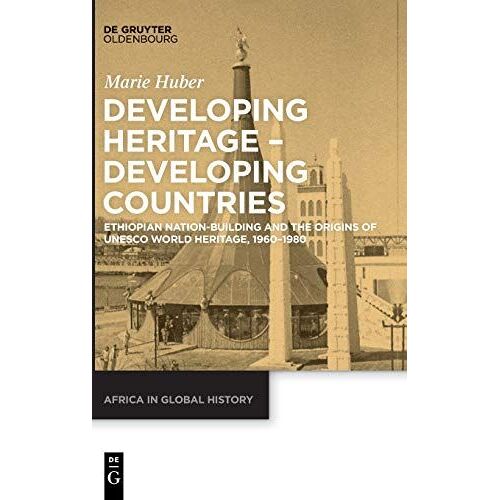
The history of development has paid only little attention to cultural projects. This book looks at the development politics that shaped the UNESCO World Heritage programme, with a case study of Ethiopian World Heritage sites from the 1960s to the 1980s. In a large-scale conservation and tourism planning project, selected sites were set up and promoted as images of the Ethiopian nation. This story serves to illustrate UNESCO's role in constructing a useful past in many African countries engaged in the process of nation-building. UNESCO experts and Ethiopian elites had a shared interest in producing a portfolio of antiquities and national parks to underwrite Ethiopia's imperial claims to regional hegemony with ancient history. The key findings of this book highlight a continuity in Ethiopian history, despite the political ruptures caused by the 1974 revolution and UNESCO's transformation from knowledge producer to actual provider of development policies. The particular focus on the bureaucratic and political practices of heritage, bridges a gap between cultural heritage studies and the history of international organisations. The result is a first study of the global discourse on heritage as it emerged in the 1960s development decade.
Biographie:
Marie Huber, Humboldt-University Berlin, Germany.
Détails de conformité du produit
Personne responsable dans l'UE