
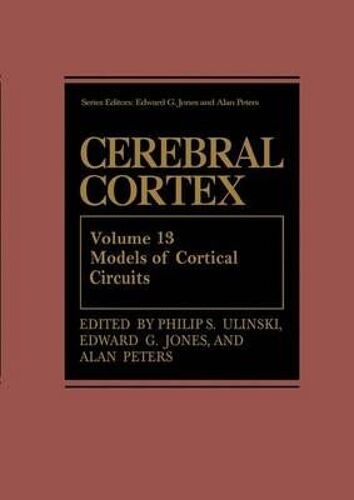
313,55 €
Produit Neuf
Ou 78,39 € /mois
- Livraison à 0,01 €
- Livré entre le 24 août et le 9 septembre
Brand new, In English, Fast shipping from London, UK; Tout neuf, en anglais, expédition rapide depuis Londres, Royaume-Uni;ria9781461372233_dbm
Nos autres offres
-
306,58 €
Produit Neuf
Ou 76,65 € /mois
- Livraison : 3,99 €
- Livré entre le 24 et le 31 août
Voir le détail de l'annonce -
313,55 €
Produit Neuf
Ou 78,39 € /mois
- Livraison à 0,01 €
- Livré entre le 24 août et le 9 septembre
Brand new, In English, Fast shipping from London, UK; Tout neuf, en anglais, expédition rapide depuis Londres, Royaume-Uni;ria9781461372233_dbm
Voir le détail de l'annonce

- Payez directement sur Rakuten (CB, PayPal, 4xCB...)
- Récupérez le produit directement chez le vendeur
- Rakuten vous rembourse en cas de problème

Gratuit et sans engagement
Félicitations !
Nous sommes heureux de vous compter parmi nos membres du Club Rakuten !
TROUVER UN MAGASIN
Retour
Avis sur Cerebral Cortex de Format Broché - Livre Beaux arts
0 avis sur Cerebral Cortex de Format Broché - Livre Beaux arts
Les avis publiés font l'objet d'un contrôle automatisé de Rakuten.
-
Stratified Morse Theory
Neuf dès 191,54 €
-
The Twilight Saga Deluxe Hardcover Collection
Neuf dès 223,38 €
-
Eva Hesse
Occasion dès 184,99 €
-
The Religion Of The Mithras Cult In The Roman Empire
Neuf dès 214,66 €
-
Quantum Chemistry, 2nd Edition
1 avis
Neuf dès 227,66 €
-
Passion & Tradition Boulangères
Occasion dès 390,00 €
-
Marina B: L'art De La Joaillerie Et Son Design
Occasion dès 299,00 €
-
Intrinsic Motivation And Self-Determination In Human Behavior
1 avis
Neuf dès 342,95 €
-
Monster Hunter: World - Official Complete Works
1 avis
Neuf dès 220,99 €
-
Investor Protection In Europe
Neuf dès 421,99 €
-
2010 Fifa Tm (Shopro Books)
Occasion dès 315,99 €
-
Emile Zola: D'un Naturalisme Pervers
Occasion dès 440,00 €
-
Torsi Torses Nus
Occasion dès 270,00 €
-
Clifford Numbers And Spinors
Neuf dès 234,81 €
-
Genre In Archaic And Classical Greek Poetry: Theories And Models
Neuf dès 267,64 €
-
Loulou De La Falaise
Occasion dès 158,99 €
-
The Lord Of The Rings
Neuf dès 190,12 €
-
Nuancier Dcs Cmyk Pro
Occasion dès 230,00 €
-
Dépression Et Anxiété : Comprendre Et Surmonter Par L'approche Cognitive
Occasion dès 193,95 €
-
Art Of Merit: Studies In Buddhist Art And Its Conservation
Neuf dès 217,87 €
Produits similaires
Présentation Cerebral Cortex de Format Broché
- Livre Beaux arts


Résumé :
1 Modeling Cortical Circuitry: A History and Prospectus.- 1. Introduction.- 2. Lorente de N? through Dynamical Systems Models.- 3. Hodgkin and Huxley through Network Models.- 4. Prospectus.- 5. References.- 2 Interpretations of Data and Mechanisms for Hippocampal Pyramidal Cell Models.- 1. Introduction.- 2. The Database for Single-Neuron Models.- 3. Strategies for Single-Neuron Models.- 4. Anatomy and the Model: Data and Methods.- 5. The Linear Model: Data and Methods.- 6. Phenomenological Templates.- 7. Review of Hippocampal Models.- 8. Channel Models.- 9. Ionic Concentration Dynamics.- 10. Nonsynaptic Channels of Hippocampal Pyramidal Cells.- 11. HPC Sodium Channels.- 12. HPC Calcium Channels.- 13. HPC Potassium Channels.- 14. Nonspecific Cation and Chloride Currents.- 15. Simulations of HPC Properties with the Working Model.- 16. References.- 3 Functional Implications of Active Currents in the Dendrites of Pyramidal Neurons.- 1. Introduction.- 2. Historical Perspective.- 3. Amplification of Synaptic Inputs.- 4. Compartment Model Simulations of Amplification.- 5. Effects of Dendritic Active Currents on EPSP Shape.- 6. The Effect of Dendritic Active Currents in Shaping the Intrinsic Firing Properties of Pyramidal Cells.- 7. Effects of Potassium Currents.- 8. Linking Firing of the Soma to Depolarization at Distal Synapses and the Implementation of Hebb's Hypothesis.- 9. Apologies.- 10. Concluding Observations.- 11. References.- 4 Comparing Different Modeling Approaches of Visual Cortical Cell Characteristics.- 1. Introduction.- 2. Foundations.- 3. Models of Cortical Orientation Specificity.- 4. Concluding Remarks.- 5. Appendix.- 6. References.- 5 The Role of Recurrent Excitation in Neocortical Circuits.- 1. Introduction.- 2. Wiring Neocortical Circuits.- 3. CanonicalMicrocircuits.- 4. Units of Construction of the Basic Cortical Circuit.- 5. The Neuronal Components of Layer 4.- 6. Computation of Orientation.- 7. Noise and Restoration.- 8. References.- 6 Neural Mechanisms Underlying the Analysis of Moving Visual Stimuli.- 1. Introduction.- 2. A Primer of Basic Concepts.- 3. Neural Mechanisms: Mammals.- 4. Neural Mechanisms: Turtles.- 5. Conclusions and Future Directions.- 6. References.- 7 Linearity and Gain Control in VI Simple Cells.- 1. Introduction.- 2. The Linear Model of Simple Cells.- 3. Some Linear Properties of Simple Cells.- 4. Biophysics of the Linear Model.- 5. Some Nonlinear Properties of Simple Cells.- 6. The Normalization Model of Simple Cells.- 7. Testing the Normalization Model.- 8. Biophysical Plausibility of the Normalization Model.- 9. Conclusions.- 10. References.- 8 Non-Fourier Cortical Processes in Texture, Form, and Motion Perception.- 1. Introduction.- 2. Analysis of Texture Boundaries by Non-Fourier Mechanisms.- 3. Area V4 Neurons and Form Vision.- 4. Two-Dimensional Motion.- 5. Discussion.- 6. References.- 9 Modeling Thalamocortical Oscillations.- 1. Slow Thalamic Rhythms.- 2. Thalamus as Magnet for Modeling-Dynamics and Neural Systems.- 3. Early Modeling Predicted a Role for Inhibitory Phasing.- 4. Modeling the T Channel.- 5. Modeling the Low-Threshold Spike.- 6. The Basic Two-Neuron Network.- 7. The Search for Origins: Whence Spindling?.- 8. Synchrony and Spread of Network Activity.- 9. Summary and Conclusions.- 10. References.- 10 Realistic Network Models of Synchronized Oscillations in Visual Cortex.- 1. Introduction.- 2. Model Structure.- 3. Model Results.- 4. Conclusion.- 5. References.- 11 Modeling the Piriform Cortex.- 1. Introduction.- 2. Summary of Data Being Modeled.- 3. Modeling ofPhysiological Data.- 4. Modeling of Functional Hypotheses.- 5. Summary and Future Directions.- 6. References....
Sommaire:
1 Modeling Cortical Circuitry: A History and Prospectus.- 1. Introduction.- 2. Lorente de N? through Dynamical Systems Models.- 3. Hodgkin and Huxley through Network Models.- 4. Prospectus.- 5. References.- 2 Interpretations of Data and Mechanisms for Hippocampal Pyramidal Cell Models.- 1. Introduction.- 2. The Database for Single-Neuron Models.- 3. Strategies for Single-Neuron Models.- 4. Anatomy and the Model: Data and Methods.- 5. The Linear Model: Data and Methods.- 6. Phenomenological Templates.- 7. Review of Hippocampal Models.- 8. Channel Models.- 9. Ionic Concentration Dynamics.- 10. Nonsynaptic Channels of Hippocampal Pyramidal Cells.- 11. HPC Sodium Channels.- 12. HPC Calcium Channels.- 13. HPC Potassium Channels.- 14. Nonspecific Cation and Chloride Currents.- 15. Simulations of HPC Properties with the Working Model.- 16. References.- 3 Functional Implications of Active Currents in the Dendrites of Pyramidal Neurons.- 1. Introduction.- 2. Historical Perspective.- 3. Amplification of Synaptic Inputs.- 4. Compartment Model Simulations of Amplification.- 5. Effects of Dendritic Active Currents on EPSP Shape.- 6. The Effect of Dendritic Active Currents in Shaping the Intrinsic Firing Properties of Pyramidal Cells.- 7. Effects of Potassium Currents.- 8. Linking Firing of the Soma to Depolarization at Distal Synapses and the Implementation of Hebb's Hypothesis.- 9. Apologies.- 10. Concluding Observations.- 11. References.- 4 Comparing Different Modeling Approaches of Visual Cortical Cell Characteristics.- 1. Introduction.- 2. Foundations.- 3. Models of Cortical Orientation Specificity.- 4. Concluding Remarks.- 5. Appendix.- 6. References.- 5 The Role of Recurrent Excitation in Neocortical Circuits.- 1. Introduction.- 2. Wiring Neocortical Circuits.- 3. CanonicalMicrocircuits.- 4. Units of Construction of the Basic Cortical Circuit.- 5. The Neuronal Components of Layer 4.- 6. Computation of Orientation.- 7. Noise and Restoration.- 8. References.- 6 Neural Mechanisms Underlying the Analysis of Moving Visual Stimuli.- 1. Introduction.- 2. A Primer of Basic Concepts.- 3. Neural Mechanisms: Mammals.- 4. Neural Mechanisms: Turtles.- 5. Conclusions and Future Directions.- 6. References.- 7 Linearity and Gain Control in VI Simple Cells.- 1. Introduction.- 2. The Linear Model of Simple Cells.- 3. Some Linear Properties of Simple Cells.- 4. Biophysics of the Linear Model.- 5. Some Nonlinear Properties of Simple Cells.- 6. The Normalization Model of Simple Cells.- 7. Testing the Normalization Model.- 8. Biophysical Plausibility of the Normalization Model.- 9. Conclusions.- 10. References.- 8 Non-Fourier Cortical Processes in Texture, Form, and Motion Perception.- 1. Introduction.- 2. Analysis of Texture Boundaries by Non-Fourier Mechanisms.- 3. Area V4 Neurons and Form Vision.- 4. Two-Dimensional Motion.- 5. Discussion.- 6. References.- 9 Modeling Thalamocortical Oscillations.- 1. Slow Thalamic Rhythms.- 2. Thalamus as Magnet for Modeling-Dynamics and Neural Systems.- 3. Early Modeling Predicted a Role for Inhibitory Phasing.- 4. Modeling the T Channel.- 5. Modeling the Low-Threshold Spike.- 6. The Basic Two-Neuron Network.- 7. The Search for Origins: Whence Spindling?.- 8. Synchrony and Spread of Network Activity.- 9. Summary and Conclusions.- 10. References.- 10 Realistic Network Models of Synchronized Oscillations in Visual Cortex.- 1. Introduction.- 2. Model Structure.- 3. Model Results.- 4. Conclusion.- 5. References.- 11 Modeling the Piriform Cortex.- 1. Introduction.- 2. Summary of Data Being Modeled.- 3. Modeling ofPhysiological Data.- 4. Modeling of Functional Hypotheses.- 5. Summary and Future Directions.- 6. References....
Détails de conformité du produit
Personne responsable dans l'UE