
Soyez informé(e) par e-mail dès l'arrivée de cet article
Créer une alerte prix
- Payez directement sur Rakuten (CB, PayPal, 4xCB...)
- Récupérez le produit directement chez le vendeur
- Rakuten vous rembourse en cas de problème

Gratuit et sans engagement
Félicitations !
Nous sommes heureux de vous compter parmi nos membres du Club Rakuten !
TROUVER UN MAGASIN
Retour
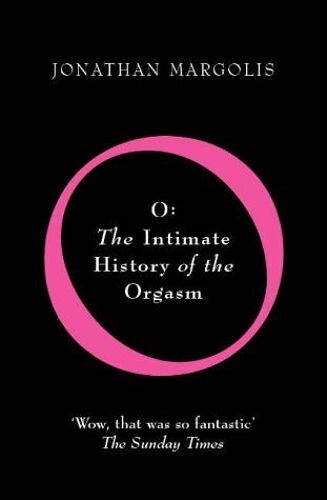
Avis sur O Format Broché - Livre Littérature Générale
0 avis sur O Format Broché - Livre Littérature Générale
Les avis publiés font l'objet d'un contrôle automatisé de Rakuten.
Présentation O Format Broché
- Livre Littérature Générale


The first history of the human orgasm, from its evolutionary beginnings to its current iconic status.
Résumé :
In 1558 an anatomist called Columbus discovered the clitoris and so a whole new world of sexual pleasure began to be opened up - and it was a steady progress that culminated in the present Golden Age. That at least is the official history. Here Jonathan Margolis produces evidence to show that in Europe and America progress was extremely slow whilst in other places the secrets of the orgasm created almost unimaginable worlds of pleasure. The book will draw on orgasm's biology anthropology psychology technology and sociology. The orgasm was revered in ancient societies but by the 13th Century modesty ruled: St Francis of Assisi would throw himself into a thorn bush to disguise unwanted erections and avoid all possibility of orgasm. Victorians still regarded the female orgasm as a form of hysteria - women were treated for hysteria and by the 19th century were strongly advised against riding bicycles for this reason. In Edwardian Britain and America vibrators were routinely advertised in the respectable women's magazines as a form of handy household appliance. Margolis considers the revival of open public interest in sex in the late 1950s and the effect of the Pill feminism and Viagra on the state of the orgasm in the 21st century....
Sommaire:
Jonathan Margolis is the author of the critical biography of Uri Geller, Hothouse People, a popular account of attempts to improve human intelligence and A Brief History of Tomorrow. He writes for the Financial Times, TIME magazine, Evening Standard and the Reader's Digest largely on technology and its interface with modern cultural issues....